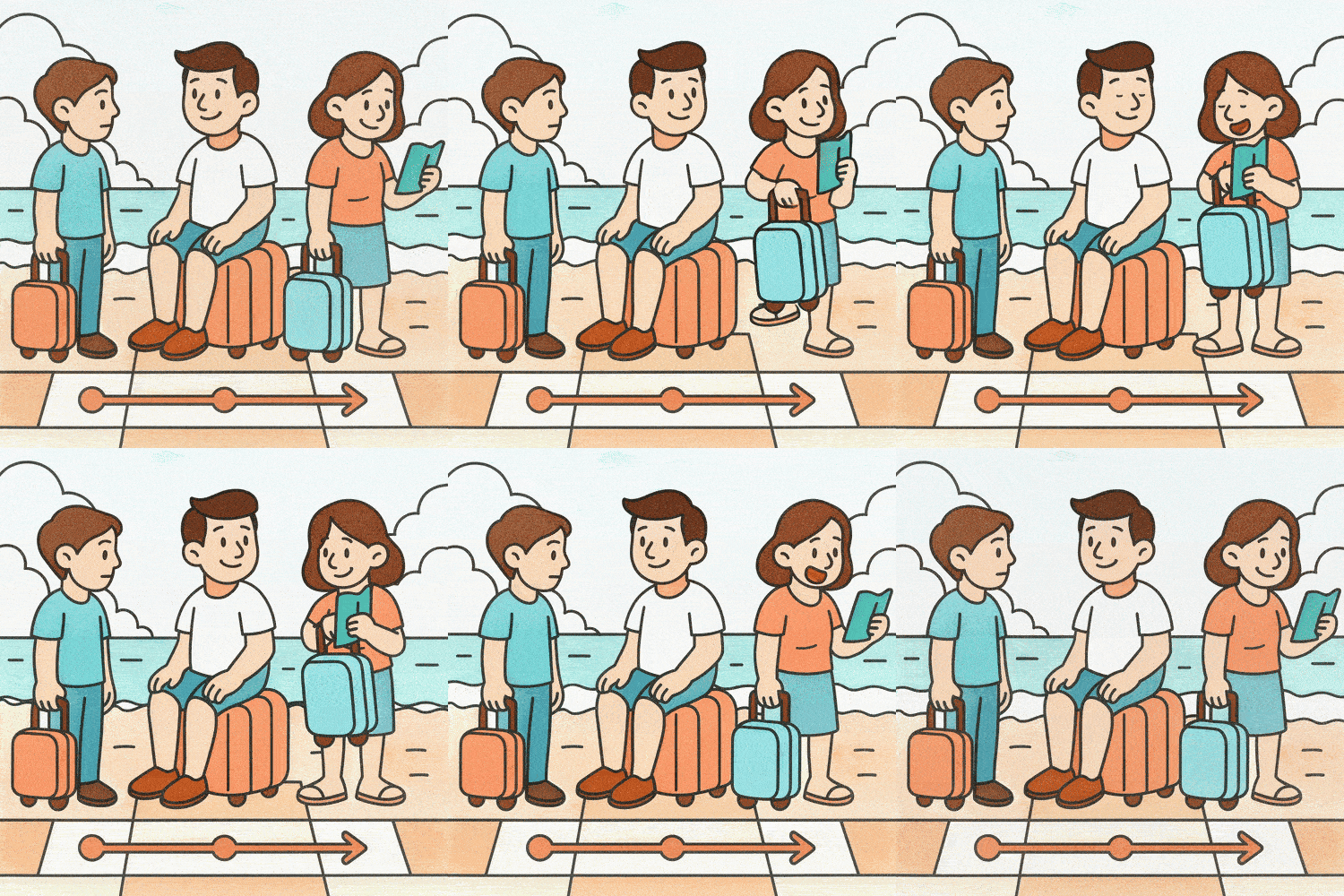
With every wave of departures and arrivals, the cycle repeats: Goers leave, Stayers share their local knowledge, and Newbies step into Goer-shaped gaps where listening first makes all the difference. This perpetual overlap is exactly why expat life feels like a transition that never truly ends.
What your summer “should” look like vs. what it actually looks like
When we lived our first full summer abroad nearly a decade ago, I came across a simple, painfully accurate graphic that contrasted the polished plan with the messy reality. It stuck because it mirrored our days exactly: color‑coded timelines and tidy handovers on one side; staggered goodbyes, jet lag, and forms‑on‑forms on the other.
What your summer should have look like

e.g., smooth handovers, perfect flight connections, instant friendships, tidy boxes, restful home leave.
What it actually looked like
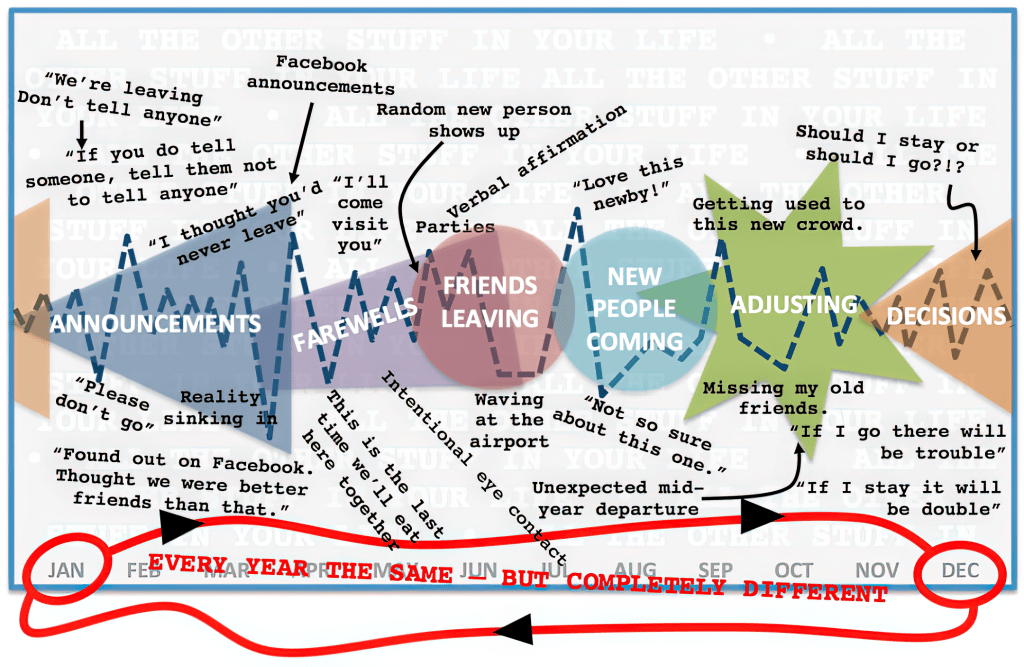
e.g., staggered goodbyes, mismatched expectations, jet‑lagged kids, delayed shipments, forms/forms/forms, and the odd tear in the grocery aisle.
Goers — leaving well, arriving ready
What you likely face
• Decision‑making fatigue and a long “mental checkout” before departure but also upon arrival.
• Compressed timelines: housing, schools, pack‑outs, pet paperwork, medicals.
• Emotional whiplash: excitement + grief; kids’ mixed feelings; partner coordination.
• Pressure to “wrap up well” while already picturing life in the next post.
What helps
- Name the overlap: plan leaving rituals (photo walk, goodbye brunch) to create closure and invite blessings forward.
- Share timelines transparently so Stayers aren’t left guessing; resist the urge to withdraw completely.
- Build buffer days on both ends; schedule an unplugged 24 hours after arrival.
See CDFN’s review of Dr. Cathy Tsang‑Feign’s Living Abroad for relationship dynamics, culture‑shock pacing, and TCK insights; and Brigid Keenan’s Diplomatic Baggage for humor and perspective on the “first Monday” alone
Stayers — holding space and deepening roots
What you likely face
• The only role without a “honeymoon” phase: repeated goodbyes while running daily life.
• Community churn: losing friends, routines, and informal knowledge all at once.
• Hidden labor: onboarding others while managing your own feelings about staying.
What helps
- Normalize grief cycles and mark transitions (last‑day coffee, hand‑off lists, “what I wish I’d known” notes).
- Recruit a small “welcome crew” for September (maps, school tips, grocery hacks).
- Reclaim joy locally: farmers’ markets, micro‑adventures, new classes.
Quick framework for steadier months ahead: CDFN’s “Five Components of Adjusting to a New Country”—language & culture, a comfortable home base, friendships, confident daily navigation, and meaningful activity.
Newbies — Start as learners, build as neighbors
What you likely face
• Stepping into roles others just vacated, with high expectations and low context.
• The urge to “fix” things quickly (easy to over‑reach when you don’t yet see the whole system).
• Identity stretch: new city, new networks, new family rhythms all at once.
What helps
- Listen first. Ask “How do we do this here?” before suggesting changes.
- Use simple wins to reduce friction: a two‑week meal rotation, one recurring social plan, and a personal list of “first five errands.”
- Anchor kids and teens with Third Culture Kid (TCK) resources and peer spaces (see FSYF below).
Keep humor within reach—Keenan’s Diplomatic Baggage is a helpful companion.
A shared language for the ups and downs
Adjustment rarely follows a straight line. Classic orientation models describe U‑ and W‑curves—initial lift, a dip, recovery, and (for repatriation) another cycle. Treat them as conversation tools, not destiny. Helpful primers:
• NAFSA overview of culture shock and adjustment curves (PDF) — “Cultural Adaptations, Culture Shock and the Curves of Adjustment.”
• For youth: Foreign Service Youth Foundation (FSYF) — TCK pages and programs for globally mobile kids and teens.
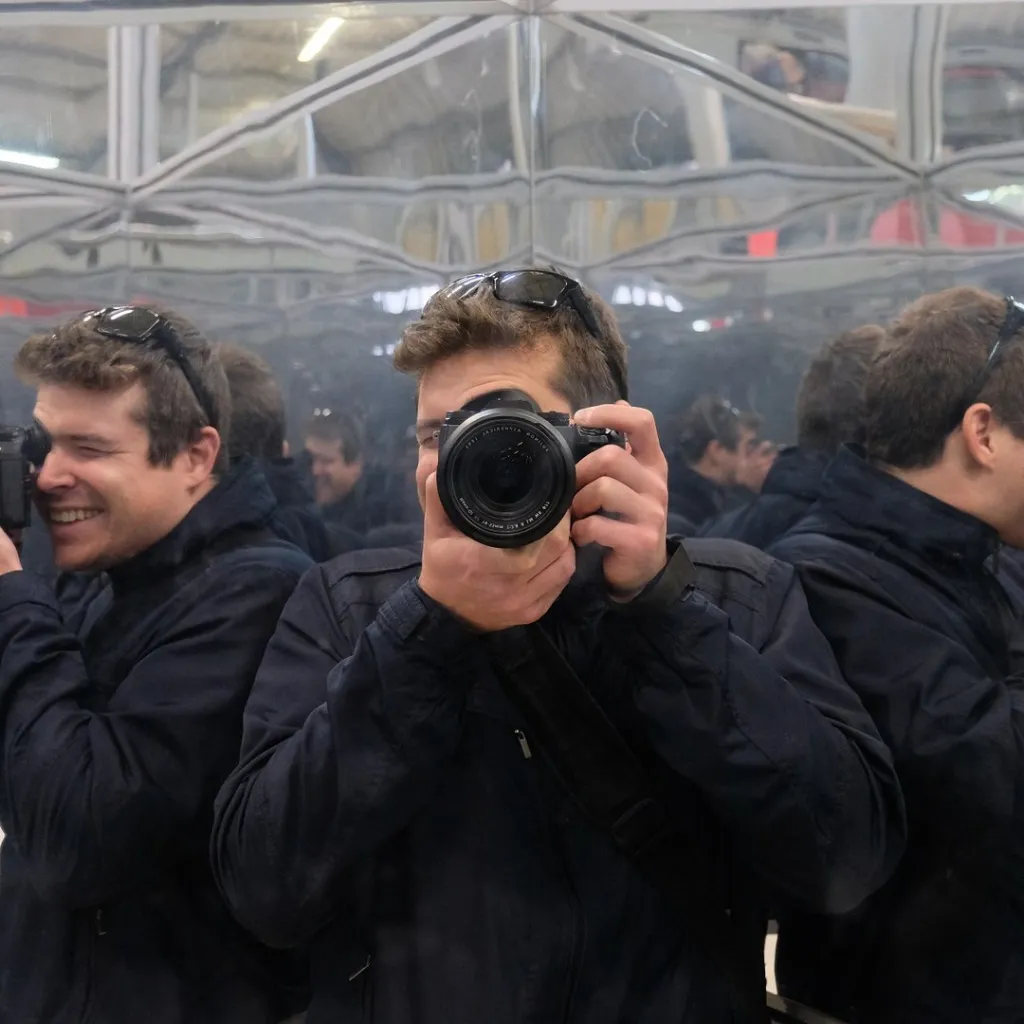
Former journalist for the CBC, Patrick has been abroad for a decade. From Turkey to Kazakhstan, he is now in Brazil. His family changed a lot since he arrived in Turkey with 3 young children. His career path also changed, from learning to register a business for international freelance work to contributing to several small contracts at missions, Patrick found his way to build a professional life that he can carry with him.