

By: Stefan Dubowski
Thankfully, I think I blacked out right after the car came into contact with my motorcycle, so I don’t remember running into the tree, going airborne, and scraping to a stop on the pavement.
Fall, 2021, on what was supposed to be a nice little ride with friends in Delhi, where my wife was posted and where I got the bright idea that it might be fun to have a bike. When I came to, my friends hauled me up and poured me into the back seat of the car that hit me. The driver had stopped to help. He even drove me to the hospital, where, miraculously, I had zero broken bones and no other signs of injury.
I learned a lot that day…
- My brain can basically shut out especially frightening experiences even as they’re happening.
- A full-face helmet is a must. The scratches on the visor would’ve been scratches on my face if I’d been wearing an open-face helmet.
- People are more than capable of doing the right thing even when they have an out. (The car driver could have just kept going.)
- I’m ridiculously lucky.
I also learned that in general, Delhi drivers don’t pay attention to what’s beside and behind them. As the car veered left towards me, I should have backed off or veered myself. Instead, I stayed put, thinking he knew I was there. He didn’t. At home in Canada, I’d have said he messed up. In India, I was the one in the wrong for failing to conform to local driving culture.
Driving in a foreign country can be an adventure — but also risky. What are the rules? What’s the driving culture? Who has the right of way? Which side of the road again?
Tips and advice from other Canadians posted abroad
Knowing the details of what it means to get behind the wheel wherever you may be living can be crucial to your safety as a driver. For perspective, I recently asked other spouses and diplomats for their driving experiences: what you need to know, how to get it, and what to watch for.
Boiling it all down, they say:
- It makes sense to keep your tank full.
- It pays to know what kinds of vehicles are common in the country you’re going to.
- You may have to deal with the police on a whole new level.
- You should know your limits.
Keep your tank full
Gas stations in and around Canadian cities are easy to find. That’s not necessarily the case elsewhere. Jean Glaister Steil found that out on a driving trip in Kazakhstan.
“We didn’t actually run out of gas, but we came awfully close.
“Gas stations were few and far between. We saw signage for one but it turned out it was still under construction. We finally found a station with old gas pumps that needed an attendant with a key to turn them on. That station also sold delicious baked goods, which soothed our frazzled nerves.”
Know your vehicle
Love your sophisticated sports car? Might want to store it rather than ship it. Some places aren’t suitable for certain vehicles, says Stéfanie Bergeron. “In Bamako (Mali), the local mechanics could mostly repair cars with minimum electronics (so older cars) and most cars were Toyota, Honda or Mercedes. So if you didn’t buy the car of another diplomat and imported your own, it would not have been a good idea to bring a car too recent (with too many electronic parts) or an American car, for example, because parts wouldn’t have been available and the mechanics wouldn’t have much experience fixing them.”
Also, “you should ask what kind of cars diplomats drive,” she says. “The rainy season can lead to flash floods in some places and you may need a higher car (like an SUV) to avoid your car being flooded inside.
“You may also need an SUV because of the road conditions; a lower car may not be able to drive everywhere.
“Or you may need an SUV because it’s the law of the strongest on the road, and you may be able to move around better if your car is bigger and smaller cars let you go ahead first.”
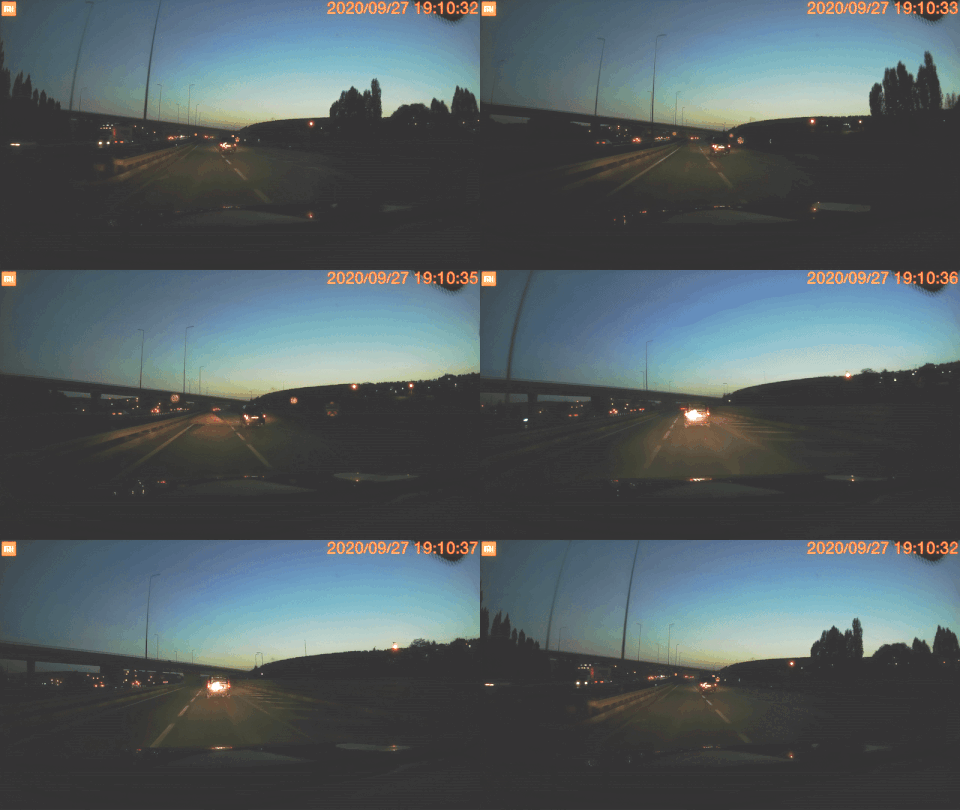
Dashcam footage from a Canadian diplomat in Turkey highlighting the hazardous roads
Prepare for the police
One foreign-service officer says it’s important to acknowledge that traffic police in some countries work for bribes. For example, the FS and their partner were pulled over and the police officer reached through the open driver’s side window, switched off their car’s headlights, and said they’d be fined for driving with no lights on. “Thankfully, we had our dip ID… so basically we called him out on it. As soon as I looked at his nametag, he backed off.” This FS stood their ground and it worked. But it still stinks. “We didn’t think the cops would actually try to trick us.”
Know your limits
You may be comfortable driving in Canada, but you might feel differently about driving in, say, Delhi, where lanes are just pretty road markings to be ignored, vehicles seem to come out of nowhere, and everyone’s honking their horn.
“In some places, like Delhi, it is worth hiring a driver,” says Nadia Stuewer. Her family hired a driver the moment they bought the car. “Not only because the traffic is inscrutable but parking. There was often none nearby (and not necessarily a safe walk in the dark for various reasons) so it was great that our driver would drop us and wait and pick us back up when we called.”
“My biggest concern was safety,” she says. “So many what appeared to me to be near misses.” Case in point: One time, another hired driver – not the guy they hired full time, but a temporary driver – nearly hit a cow on the road at night.
Cows being sacred in India, striking one, let alone killing one, would have been terribly problematic.
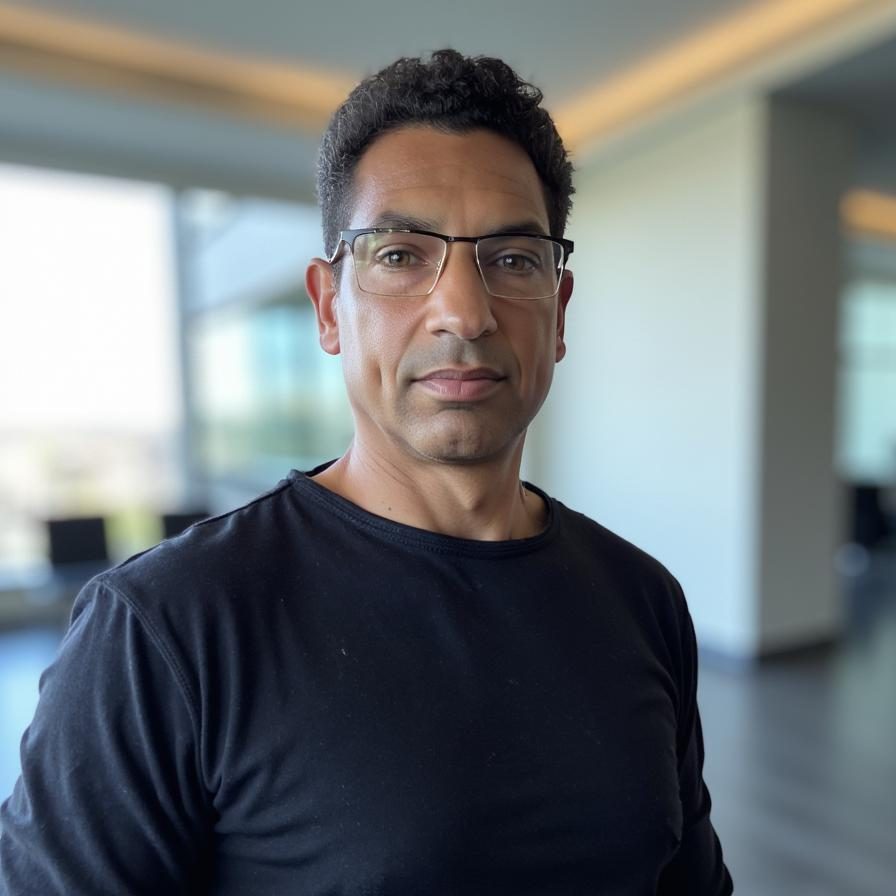
Stefan Dubowski is a freelance writer and editor currently living in Taipei, Taiwan, accompanying his wife and parenting two teens. His trailing-spouse journey includes posts in Beijing, China, and Delhi, India.
- Embracing uncertainty: the serendipity of diplomatic life
 Explore how tolerance for uncertainty can transform your diplomatic experience.
 - An unexpected currency
 We sometimes live in places where a little effort can go a long way. Across posts, canadians are finding their own ways to contribute locally.
 - Expat expectations
 Reflexion on the challenges and identity shifts faced as a diplomatic spouse.