Another CDFN Life hack by Chris Stewart
For every single person who goes on post, there are different and unique medical situations that have to be addressed. Keep in mind that where you’re being posted affects greatly how your personal medical conditions can or cannot be dealt with. We could argue all day about the quality of care that we get on post, but there are a few tips I would suggest to everyone before you go to make things work best for you.
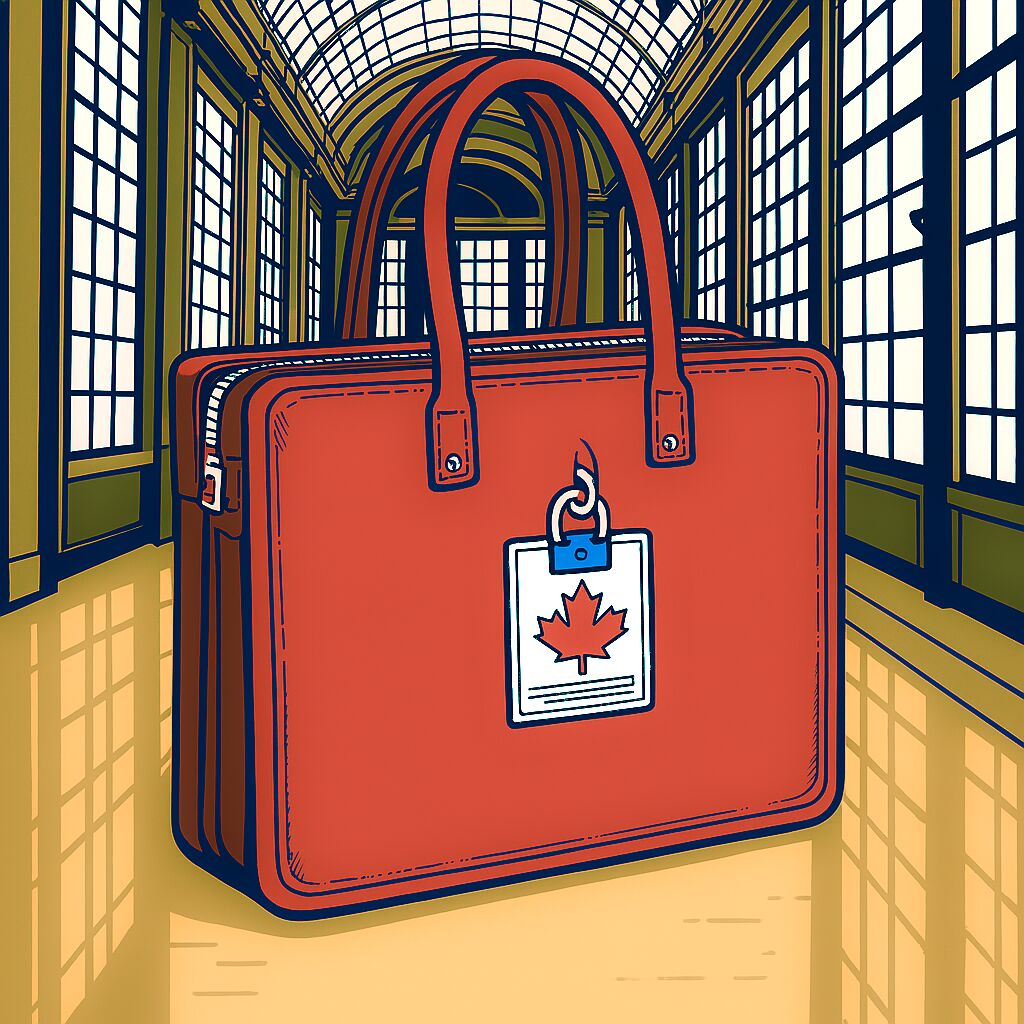
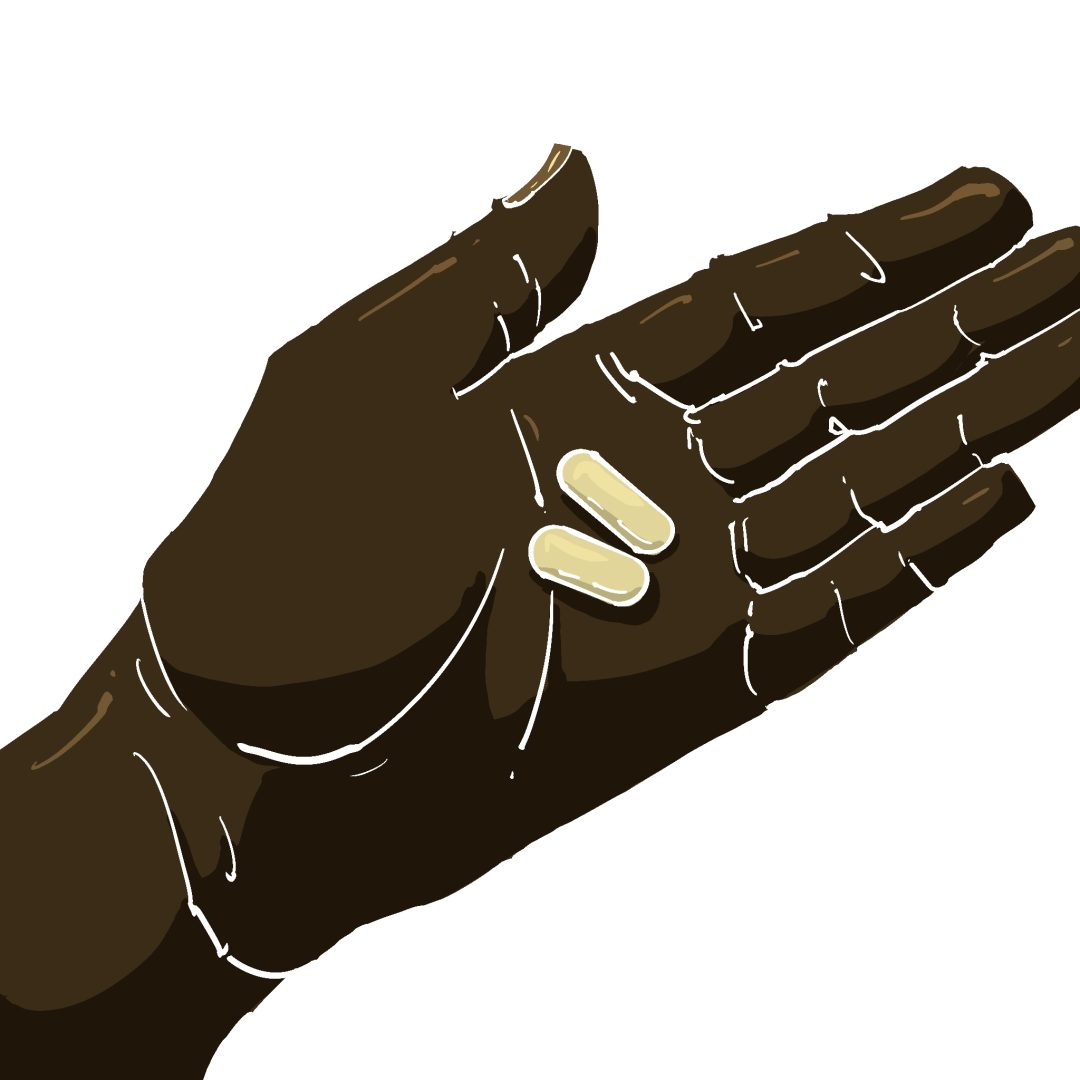
First and foremost ask lots of questions. In fact, all of my tips on this subject are about asking questions and making sure that you advocate for your needs. On a personal level, if you suffer from any medical condition, talk to your doctors and Health Canada doctors about it. Your doctor may or may not know the answers and it’s totally possible that the doctors at Health Canada won’t either. This is why you might have to do some research on your own as well. Some medicine is restricted, such as ADHD medicine, and deemed illegal in certain countries. In such cases, delivery via the diplomatic bag remains possible and may be your only option. I know it’s a personal subject, but asking the MCO and/or any contacts you might have on post can also be helpful. They’ll be on the ground and know about getting prescriptions and other things you might need.
It’s worth thinking through some practical questions before leaving. “If I can’t get specific medication there, can I have it shipped from Canada?” “Are there any alternative medications I could use if my usual one isn’t available?”
Think of every detail of your medical life and remember that everything may not be available to you at post. A good example: some people (like me) suffer from sleep apnea, and you might live in a country where clean water is hard to get, let alone medical grade distilled water.
Don’t assume that the embassy or Health Canada can “get you” what you need at post. Prescription renewals can be challenging, particularly for those of us who don’t go back home every year for checkups. You might choose to see a doctor just before your departure from Canada or you might have to figure something out. You may need a bit of time to move your prescriptions to a drugstore where pharmacists understand the situation of Canadian diplomatic families abroad. Some pharmacies do not mind having prescriptions delivered to Global Affairs Canada, when the diplomatic bags are prepared.You could then advocate to receive 6 months of medication via the mission’s postal box. (Some get it delivered for free, others pay for shipping. Explore your options!) Members of the CDFN also shared that it is sometimes a good alternative to get a local prescription. In some countries the generic versions are acceptable and could be much less expensive.
I’ve been told many times that there are “methods” and “systems” only to find out there are not. Ask these questions before you leave, find out about how people already there get their prescriptions filled.
The real key is to know what you need and advocate for yourself. I’d like to tell you that it will go smoothly every time, but that’s just not true. Be patient and remember to ask around to other members of this community.

Chris Stewart has been a creative professional for over 20 years: a photographer, video wizard, writer, illustrator, often juggling several hats at once. Chris is also a packing expert! He’s currently in a suitcase transitions after leaving Myanmar, having had adventures in Cambodia, Pakistan, Greece, and Japan. The “CDFN Life Hacks” are designed to provide quick advice for navigating assignment cycles more smoothly.
Oh, and Chris draws all the illustrations for his posts!