TL;DR:
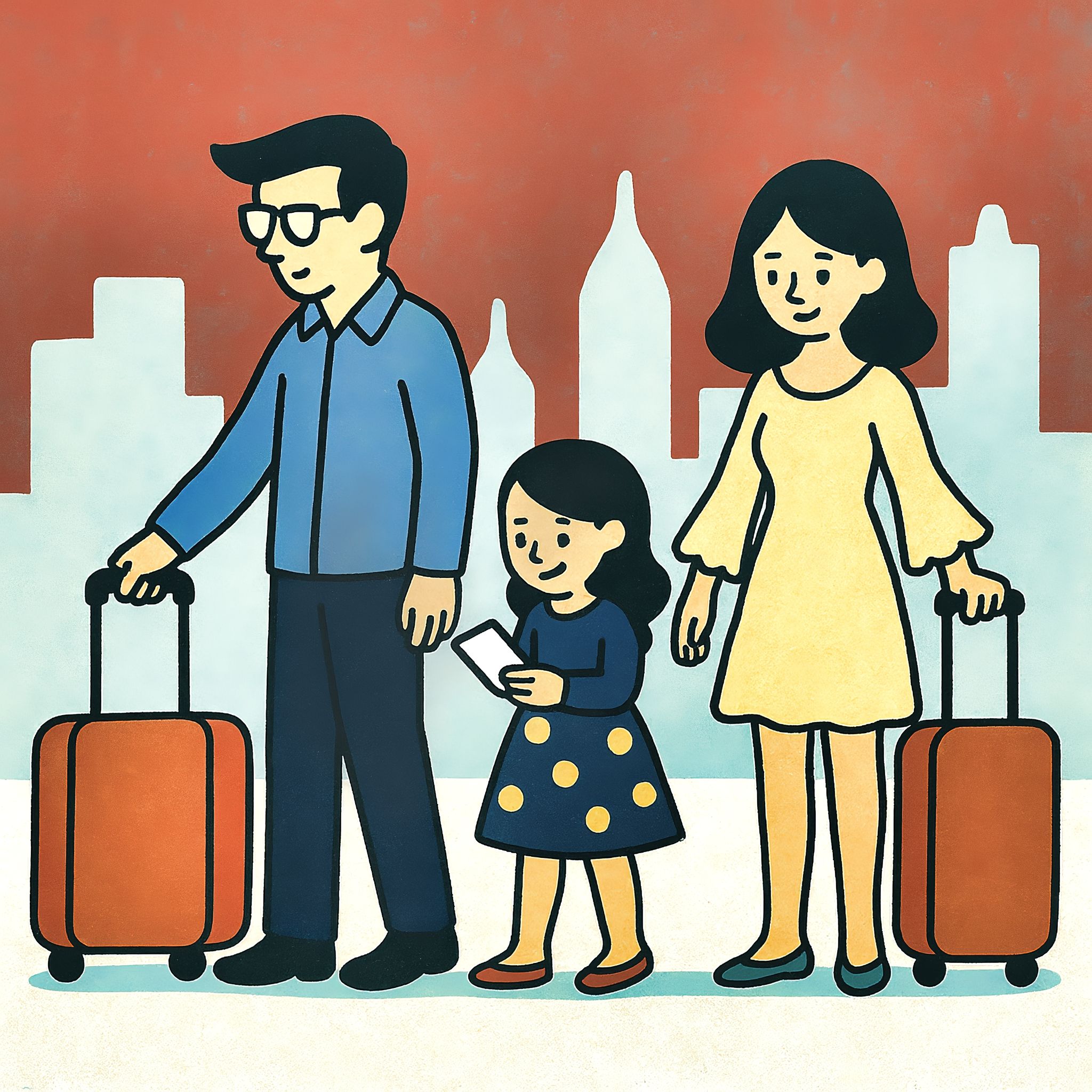
Foreign service spouses faced significant stress and burnout during the COVID-19 pandemic, exacerbated by frequent international relocations and loss of social support. This group often experiences challenges such as culture shock, language barriers, and employment disruptions. The study aimed to measure their resilience and burnout levels, understand the correlation between the two, and identify effective organizational supports provided by Ministries of Foreign Affairs (MFAs). The desired outcome was to improve the mental well-being of foreign service spouses, thereby enabling foreign service officers to better focus on their work and ultimately contribute to the success of diplomatic missions.


Full Study Reference :
Gudmundsdottir, S., Larsen, K., Woods Nelson, M., Devine Mildorf, J., & Molek-Winiarska, D. “Burnout and Resilience in Foreign Service Spouses during the Pandemic, and the Role of Organizational Support.” Sustainability 15, no. 3 (2023): 2435. https://doi.org/10.3390/su15032435
One-pager Summary:
Key Challenges:
- High levels of personal burnout among foreign service spouses during the COVID-19 pandemic (31% moderate, 4.5% high/severe).
- Frequent international moves, loss of employment, social support, and cultural adaptation challenges contribute to stress.
- Limited awareness and utilization of organizational support provided by MFAs.
Key Findings:
- Resilience is significantly and inversely correlated with personal burnout.
- Knowledge of MFA evacuation support is associated with greater resilience.
- A designated MFA contact person and awareness of COVID-19 risk reduction policies are linked to lower burnout.
- Workshops on stress management/resilience were associated with higher burnout, suggesting they may be more effective as a preventative measure before a crisis.
Recommendations:
- MFAs should recognize the potential for burnout among foreign service spouses and provide adequate support.
- Improve communication of available support directly to spouses, possibly through a Family Office or designated contact person.
- Offer psychological support services to foreign service spouses.
- Conduct further research to establish baseline resilience and burnout levels in this population post-pandemic.
Desired Outcome:
- Enhanced mental well-being of foreign service spouses.
- Improved focus and effectiveness of foreign service officers.
- Successful achievement of diplomatic goals.
Dig Deeper (Long Summary):
Introduction and Background:
- Stress of Expatriation: Expatriation, especially for foreign service families, involves frequent international relocations, leading to culture shock, loss of social support, language barriers, and potential exposure to political strife, security risks, and poor health systems.
- Unique Challenges for Foreign Service Spouses: Spouses often face employment disruptions, social isolation, and expectations to support the foreign service officer’s official duties, adding to their stress.
- Impact of COVID-19 Pandemic: The pandemic exacerbated stress for expatriates due to health risks, isolation, and concern for loved ones, particularly for those in countries with poor health systems or language barriers.
- Importance of Organizational Support: Previous research highlights the importance of organizational support for expatriate adjustment and the significant role of spousal factors in expatriate success or failure.
- Research Gap: Limited research exists on foreign service spouses’ resilience, stress experience, and the effectiveness of organizational support for their mental well-being.
Theoretical Framework:
- Burnout: Defined as a reaction to chronic stress resulting in exhaustion, detachment, and inefficacy. It can arise from organizational stressors, inadequate coping strategies, or an imbalance between job demands and resources. Personal burnout, applicable beyond traditional work settings, encompasses physical and psychological fatigue and exhaustion.
- Resilience: The capacity to adapt and bounce back from adversity. Models of resilience include compensatory (protective factors offset hazards), immunity (protective factors reduce the impact of risk factors), and challenge (moderate stress can strengthen individuals). Resilience is linked to a sense of control, social connectedness, self-care, and clear communication.
- Relationship between Resilience and Burnout: Resilience can counteract burnout by reducing anxiety, depression, and other negative psychological symptoms. However, resilience without support can lead to alienation.
- Role of Organizational Support: Various forms of support, such as social networks, emotional support, information, and material support, are correlated with burnout and resilience.
Research Aims:
- Measure resilience and personal burnout among foreign service spouses during the COVID-19 pandemic.
- Test the association between resilience and personal burnout.
- Investigate the association between MFA organizational supports and resilience or personal burnout.
Methodology:
Survey Instrument:
- Copenhagen Burnout Inventory (CBI) – Personal Burnout subscale (6 items).
- Connor-Davidson Resilience Scale (CD-RISC) – 10-item version.
- Questions on organizational support, demographics, workload changes, and personal impact of the pandemic.
Target Population:
Foreign service spouses, primarily from European Union Foreign Affairs Spouses, Partners, and Family Association (EUFASA) member states.
Data Analysis:
Anonymous online survey data collected in December 2020-January 2021, analyzed using Excel and R. Multiple regression analyses were conducted, controlling for demographic factors.
- Results:
- Demographics: 421 respondents, primarily from Europe (89.8%), 75% female, median age in the mid-to-late 40s, highly mobile (average 5.4 international moves), 27.8% spouses of Heads of Mission.
- Personal Burnout: 31% moderate burnout, 3.3% high burnout, 1.2% severe burnout.
- Burnout decreased with age and increased with the number of school-age children at home.
- Female spouses had higher burnout scores than male spouses.
- Each international move increased burnout.
- Moving back to headquarters during the pandemic was associated with lower burnout.
- Resilience:
- No correlation between experience (number of moves or seniority of the foreign service officer) and resilience.
- Correlation of Resilience and Burnout: A highly significant inverse correlation was found indicating that higher resilience is associated with lower burnout.
- Organizational Support:
- 73.9% reported some form of organizational support.
- 40.6% had a clear COVID-19 risk reduction policy.
- 27.3% knew they could be evacuated if necessary.
- 21.4% had a contact person or Family Office at headquarters.
- 19% had access to helpful information.
- 17.1% had access to psychological support.
- 26.1% reported no support.
- Knowing about evacuation support was associated with higher resilience
- Having a contact person at the MFA and having a clear risk reduction policy were associated with lower burnout.
- Awareness of workshops on stress management/resilience was associated with higher burnout
- High Burnout Levels: The high average personal burnout score indicates significant distress, comparable to or exceeding that of high-stress professions. The pandemic likely exacerbated burnout.
- Challenge Model of Resilience: The lack of correlation between experience and resilience suggests that the challenge model may not be applicable, or that compensatory/protective mechanisms have been insufficient.
- Importance of Resilience: The strong inverse correlation between resilience and burnout supports the protective role of resilience, consistent with findings in other populations during the pandemic.
- Effectiveness of Organizational Support: Knowledge of evacuation support enhanced resilience. A designated contact person and awareness of COVID-19 risk reduction policies reduced burnout. The positive correlation between stress management workshops and burnout suggests these are best offered preventatively.
- Communication Needs Improvement: Low awareness of support measures, particularly evacuation, indicates a need for better communication with spouses. A designated contact person/Family Office may play a key role in information dissemination.
Limitations and Future Research:
- Sample Representativeness: The sample may not be fully representative of all foreign service spouses, particularly given variations across and within foreign services.
- Selection Bias: The survey was conducted during a stressful time, potentially affecting participation.
- Cross-sectional Design: Causation cannot be presumed.
- Self-reported Supports: Accuracy of perceived supports was not assessed.
- Lack of Baseline Data: Difficulty in contextualizing results due to the absence of pre-pandemic data.
- Future research should focus on assessing the quality of communication, comparing perceived and actual support, and establishing baseline resilience and burnout levels post-pandemic.
Conclusion:
Foreign service spouses experienced significant personal burnout during the COVID-19 pandemic. Resilience is a crucial factor in mitigating burnout, and certain organizational supports, particularly clear communication and designated contact persons, can enhance resilience and reduce burnout. MFAs should prioritize the mental well-being of foreign service spouses by providing adequate support and information, especially during crises. Improved communication, potentially through a Family Office or similar structure, is essential. Further research is needed to better understand this population’s needs and establish baseline resilience and burnout levels in non-crisis situations. Addressing these challenges will not only improve the well-being of foreign service spouses but also enhance the effectiveness of foreign service officers and contribute to the success of diplomatic missions. The ultimate goal is a supportive environment where foreign service families can thrive despite the inherent challenges of their unique lifestyle.
Full Study Reference :
Gudmundsdottir, S., Larsen, K., Woods Nelson, M., Devine Mildorf, J., & Molek-Winiarska, D. “Burnout and Resilience in Foreign Service Spouses during the Pandemic, and the Role of Organizational Support.” Sustainability 15, no. 3 (2023): 2435. https://doi.org/10.3390/su15032435