
TL;DR:
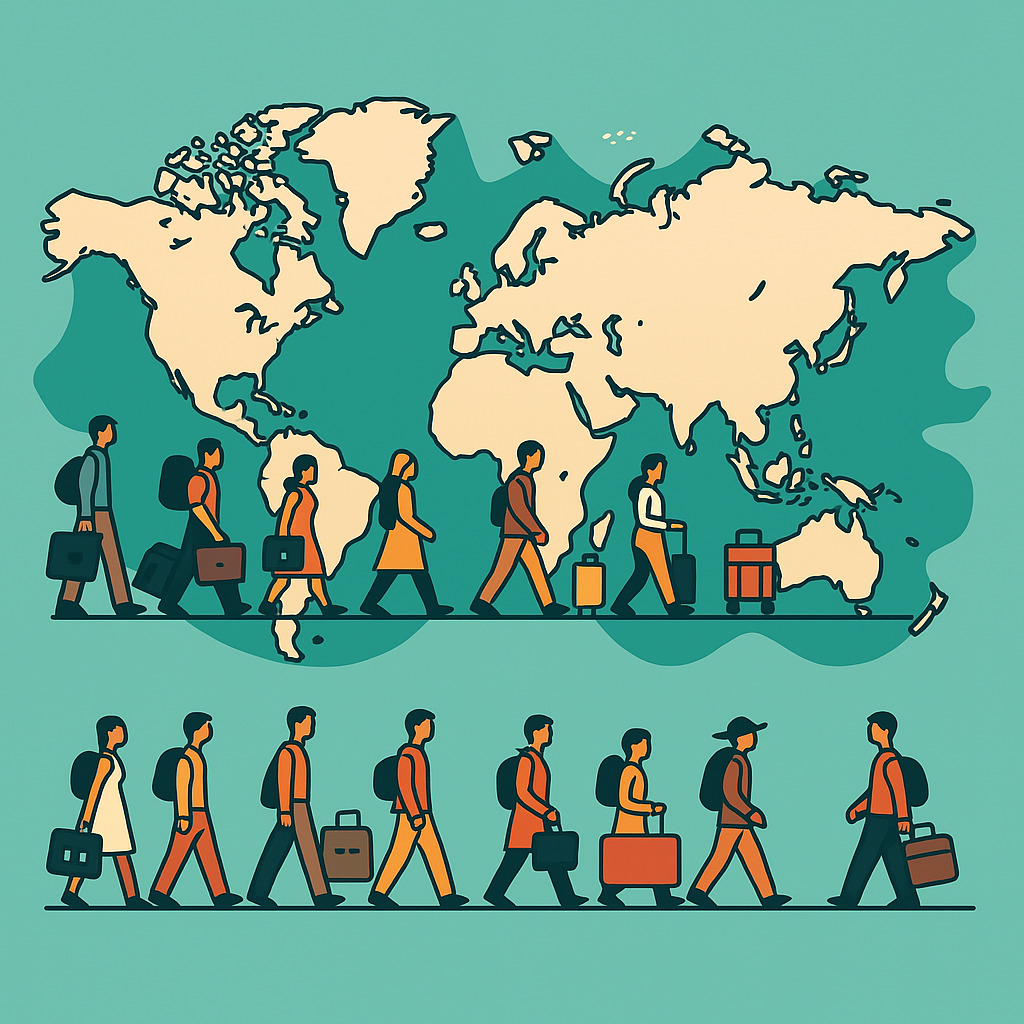
Third Culture Kids (TCKs) face the challenge of constantly re-creating their sense of “home” due to their high-mobility lifestyle, often following their parents’ careers across multiple countries. This frequent relocation leads to a disconnection between their passport country and their personal sense of identity and belonging. The desired outcome is to understand how these children perceive and construct their place identity amidst this constant change, with the hope that this understanding can inform better support systems for TCKs, helping them to develop a stable sense of self and well-being. Historically, the term “Third Culture Kids” was coined in the 1960s to describe children experiencing this cross-cultural upbringing.


Full Study Reference
Lijadi, A. A., & Van Schalkwyk, G. J. (2017). Place identity construction of Third Culture Kids: Eliciting voices of children with high mobility lifestyle. Geoforum, 81, 120–128. https://doi.org/10.1016/j.geoforum.2017.02.015
One-pager Summary:
Focus:
This study explores how Third Culture Kids (TCKs) aged 7-16 years old develop a sense of place identity despite their highly mobile lifestyles. * **Background:** TCKs are children who grow up in multiple countries, often due to their parents’ work. This constant relocation challenges their sense of belonging and connection to a specific place. The existing literature has mainly focused on adult TCKs, leaving a gap in understanding how this phenomenon affects younger children. * **
Methodology:
The researchers used the Collage Life-story Elicitation Technique (CLET), a semi-structured interview method involving collage-making and storytelling. They interviewed 27 TCKs, divided into three age groups (7-9, 10-12, and 13-17 years), to elicit their experiences and perceptions of “home.” * **
Key Findings:
- Place as Everywhere and Anywhere: TCKs often consider all the places they have lived or visited as part of their “home,” indicating a fluid and adaptable sense of place.
- Importance of Family: Family serves as a crucial anchor for TCKs, providing stability and continuity amidst frequent moves. Family rituals and familiar objects also contribute to their sense of home. * **
- Passport Country vs. Lived Experiences: TCKs may identify with their passport country, but their sense of home is also shaped by the places they have lived and the experiences they have had there.
- Wish for an Ideal Home: Many TCKs express a desire for a stable and safe home, reflecting their need for security and continuity. * **
- Expanding Social Networks: Older TCKs (pre-adolescents and adolescents) incorporate friendships and their parents’ workplaces into their concept of home. However, they also face challenges in maintaining relationships due to mobility.
- Acquisitions and Losses: TCKs gain new cultural knowledge and language skills, but they also experience losses associated with leaving places and people behind. Repatriation can also be a source of both acquisition and loss. * **
- Change as the Only Constant: Adolescent TCKs recognize that change is a constant aspect of their lives, leading them to construct their place identity differently from their non-mobile peers.
The study highlights the unique challenges TCKs face in developing place identity. It emphasizes the need for parents, schools, and sponsoring organizations to provide support and guidance to help TCKs develop a stable sense of self, belonging, and direction amidst their high-mobility lifestyle.
Dig Deeper (Long Summary):
Introduction:
- Place Identity: The study begins by defining place identity as a crucial aspect of overall identity, formed through an individual’s connection to the places they inhabit. Home, in particular, plays a vital role in this development, providing a space for social interaction, emotional well-being, and the construction of meaning in life. *
- The Challenge for TCKs: For Third Culture Kids (TCKs), who frequently relocate across countries, the concept of home is fluid and constantly evolving. This mobility creates a unique set of challenges for the development of place identity, as their sense of belonging is often challenged by discrepancies between their passport country and their lived experiences.
- Research Gap: While previous research has explored the experiences of adult TCKs, there is a lack of studies focusing on younger TCKs and the impact of geographical displacement on their place identity construction during early development.
Third Culture Kids:
The term “Third Culture Kids” was coined in the 1960s to describe individuals who experience a highly mobile and cross-cultural upbringing. They often develop a “third culture” that blends elements of their passport country’s culture and the cultures of the places they have lived.
Sponsor Organizations:
TCK families often move due to their parents’ involvement in foreign affairs, the military, missionary work, multinational corporations, or educational organizations. *
Challenges:
Adult TCKs have reported feelings of cultural alienation, rootlessness, and difficulty adjusting when returning to their passport country. This highlights the need to understand the impact of mobility on place identity development from a young age.
Place Identity:
Traditional View: Traditionally, place identity has been associated with a strong connection to a single place where an individual grows up. This place becomes a source of belonging and emotional connection, shaping their self-identity.
Impact of Mobility: The increasing number of families moving across borders challenges this traditional view. For TCKs, home is not a fixed location but rather a concept that is constantly being re-created with each move.
Consequences of High Mobility: A high-mobility lifestyle can lead to insufficient time to learn the intricacies of local cultures, potentially resulting in feelings of nostalgia, disorientation, and alienation. TCKs may struggle to identify a single place as “home,” leading to identity confusion.
Method:
Social Constructionist Perspective: The study adopts a social constructionist perspective, viewing TCKs as active agents who construct meaning from their social interactions in different places.
Cross-Sectional Study: The researchers conducted a cross-sectional study using semi-structured interviews to explore how TCKs make sense of the world and attribute meaning to “home.”
Collage Life-story Elicitation Technique (CLET): CLET was used to elicit both non-verbal (collage) and verbal (stories) narratives from the TCKs. This technique allowed participants to express their experiences and perceptions in a creative and flexible way.
Participants: 27 TCKs aged 7-16 years were recruited through online expatriate communities. They were divided into three age cohorts: 7-9, 10-12, and 13-17 years.
Data Collection: Participants created collages representing their concept of “home” and then told stories about the images they chose. Interviews were conducted either face-to-face or online.
Data Analysis: The researchers analyzed both the collages and the narratives, looking for themes related to place identity construction and the meaning of “home” for TCKs.
Findings:
Collage Analysis:
- Diverse Representations of Home: The collages revealed that TCKs associate “home” with a wide range of places, including countries they have lived in, visited, or have a cultural connection to. Images included cultural artifacts, landscapes, architecture, food, school-related activities, and places where their parents worked.
- Social Interactions: The collages also highlighted the importance of social interactions, with images representing family activities, friendships, and celebrations.
- Positioning and Silent Voice: Participants were asked to position themselves within the collage and identify any missing images (silent voice). This provided insights into their sense of belonging and any unfulfilled needs or desires.
- Middle Childhood (7-9 years): TCKs in this cohort often positioned themselves on the periphery of their collages, suggesting a sense of detachment from their current place of residence. They expressed a strong attachment to family and a desire for safety and security.
- Pre-Adolescent (10-12 years): This group positioned themselves either in the center or close to family members, indicating a growing awareness of their social connections and the importance of mastery and social expectations.
- Adolescent (13-17 years): Adolescent TCKs represented themselves more abstractly, reflecting their complex life experiences and the challenges of navigating multiple cultures. They expressed a need for family support, peer relationships, and a sense of direction for the future.
Narrative Analysis:
- Family, Family Rituals, and Familiarity: Family was a central theme in the narratives, providing stability and continuity. Familiar routines, objects, and interactions with extended family members contributed to the TCKs’ sense of home.
- My Origin vs. Countries Where I Have Lived: TCKs often identified with their passport country, but they also considered the countries where they had lived as part of their “home.” Positive experiences in these places contributed to their sense of place attachment.
- Wishing for the Ideal Home: Many TCKs expressed a desire for an ideal home characterized by safety, security, and continuity. This was particularly evident in the narratives of younger TCKs.
- Expanding My Network: Older TCKs (pre-adolescents and adolescents) included friendships and their parents’ workplaces in their concept of home. They also faced challenges in maintaining relationships due to mobility and language barriers. *
- Acquisitions and Losses: TCKs acquire new cultural knowledge and language skills, but they also experience losses associated with leaving places, people, and familiar routines behind. Repatriation can be a source of both acquisition and loss, as they gain a new “home” but lose aspects of their life in the host country.
- Change as the Only Constant: Adolescent TCKs recognized that change is a constant aspect of their lives. They described the ever-changing scenery, social relationships, and educational experiences, leading them to construct their place identity in a fluid and adaptable way.
Discussion:
- Family as the Heart of Place Identity: The study emphasizes the crucial role of family in the place identity construction of TCKs. Parents provide a sense of stability by maintaining routines and familiar patterns, helping TCKs adjust to new environments.
- Enabling Modalities: The researchers identified three enabling modalities that are crucial for TCKs’ place identity development:
- Sense of Stability: This is primarily established within the family during early childhood, providing a foundation for coping with change.
- Sense of Belonging: This develops during pre-adolescence and is often connected to the sponsoring organization or the institution where their parents work, providing a constant context amidst mobility.
- Sense of Direction: This becomes important during adolescence, as TCKs need guidance to integrate their diverse experiences and develop a coherent personal ideology.
- Role of Schools: International schools play a significant role in providing social interaction and support for TCKs. However, frequent school changes can exacerbate the challenges of adapting to new places.
- Impact of Multicultural Parents: TCKs with multicultural parents face additional complexities in their place identity construction, as they may have multiple passport countries or need to choose one later in life.
- Need for Support: The study highlights the need for parents, schools, and sponsoring organizations to provide support and guidance to TCKs. This includes fostering a sense of stability within the family, understanding the nature of TCKs’ mobility, and providing a sense of direction for the future.
The study concludes that the traditional concept of place identity, based on a strong connection to a single place, does not fully capture the experiences of TCKs. For TCKs, “home” is a fluid concept that encompasses multiple places and is shaped by their relationships, experiences, and the constant state of change they navigate.
The study emphasizes the importance of addressing the enabling modalities of stability, belonging, and direction to help TCKs develop a coherent sense of self amidst their high-mobility lifestyle. It calls for increased awareness and support from families, schools, and host countries to help TCKs thrive in their unique circumstances.
The world is constantly changing and the authors acknowledge that new technologies and the expansion of international schools are catering to the needs of this demographic. For this demographic, life is far away from being dull – it is always changing.
Full Study Reference
Lijadi, A. A., & Van Schalkwyk, G. J. (2017). Place identity construction of Third Culture Kids: Eliciting voices of children with high mobility lifestyle. Geoforum, 81, 120–128. https://doi.org/10.1016/j.geoforum.2017.02.015