TL;DR:
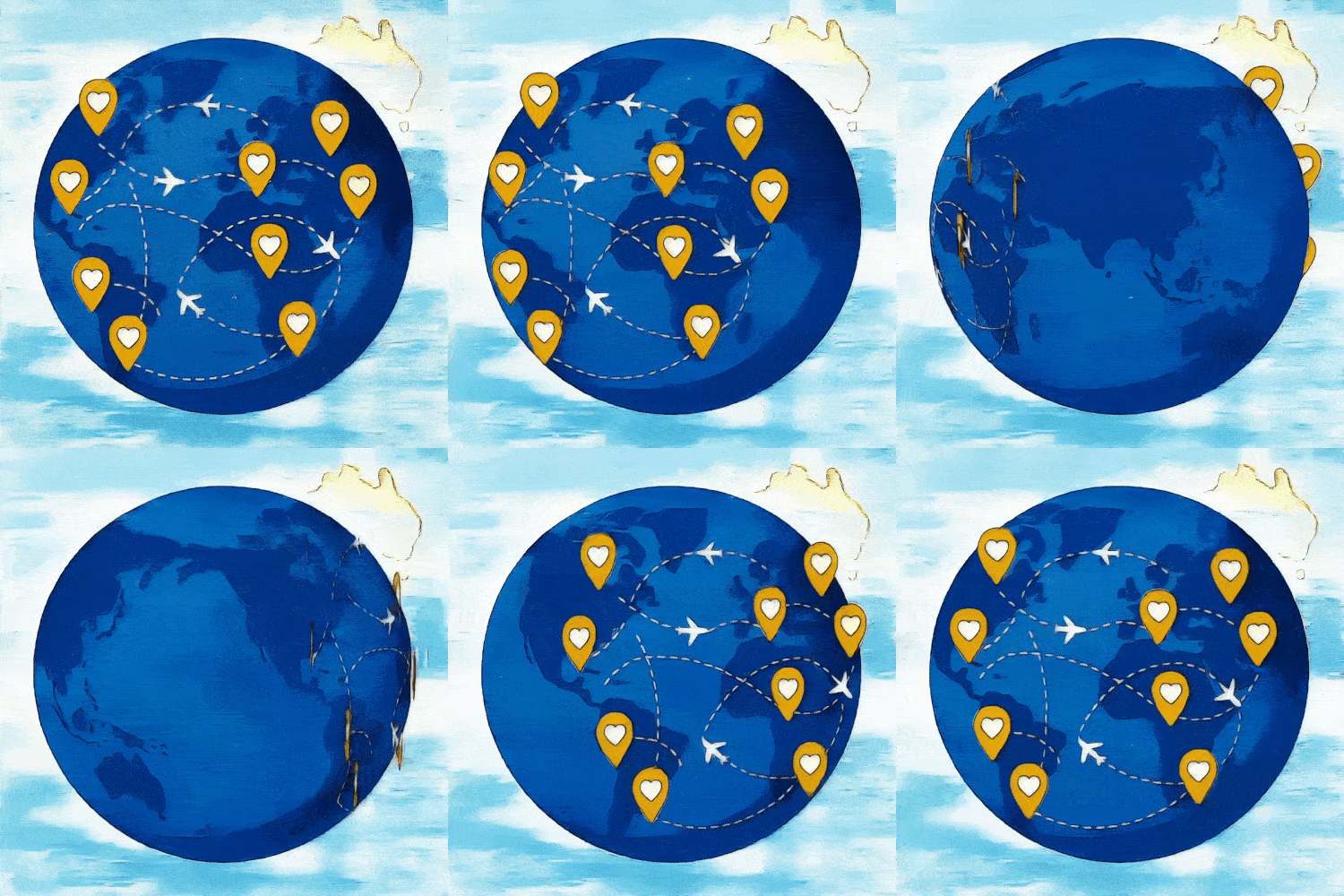
This study explores the links between adjustment, social support, and life satisfaction among European diplomatic spouses. It highlights the challenges faced by spouses, including frequent relocations, and examines how support systems influence their well-being. The study is based on responses from 268 spouses across various countries.


Full Study Reference:
Gudmundsdottir, S., Gudlaugsson, T.O., & Adalsteinsson, G.D. (2019). The diplomatic spouse: Relationships between adjustment, social support and satisfaction with life. Journal of Global Mobility: The Home of Expatriate Management Research, 7(1), 103-122. https://doi.org/10.1108/JGM-09-2018-0043
One pager Summary:
Focus:
This research examines how well diplomatic spouses adjust to new environments, the social support they receive, and how these factors affect their overall satisfaction with life.
Participants:
The study surveyed 268 European diplomatic spouses (231 females, 44 males) located across the globe.
Key Findings:
- Adjustment and Support: A significant positive correlation exists between a spouse’s adjustment to their new environment and the emotional and instrumental support they receive.
- Predicting Life Satisfaction: Both adjustment and emotional support significantly predict a spouse’s satisfaction with life. These factors explain nearly 50% of the variability in life satisfaction among diplomatic spouses.
- Social Networks: The study emphasizes the importance of social networks for spouses. Membership in support groups can help with cross-cultural adjustment.
- Practical Implications: Foreign Ministries should improve expatriate programs and policies to consider how they provide social support, as well as the levels of adjustment and life satisfaction among spouses.
- Limitations: The study acknowledges potential method bias, language limitations, and uncontrolled geographic location as factors affecting results.
Dig Deeper (Longer Summary):
Introduction:
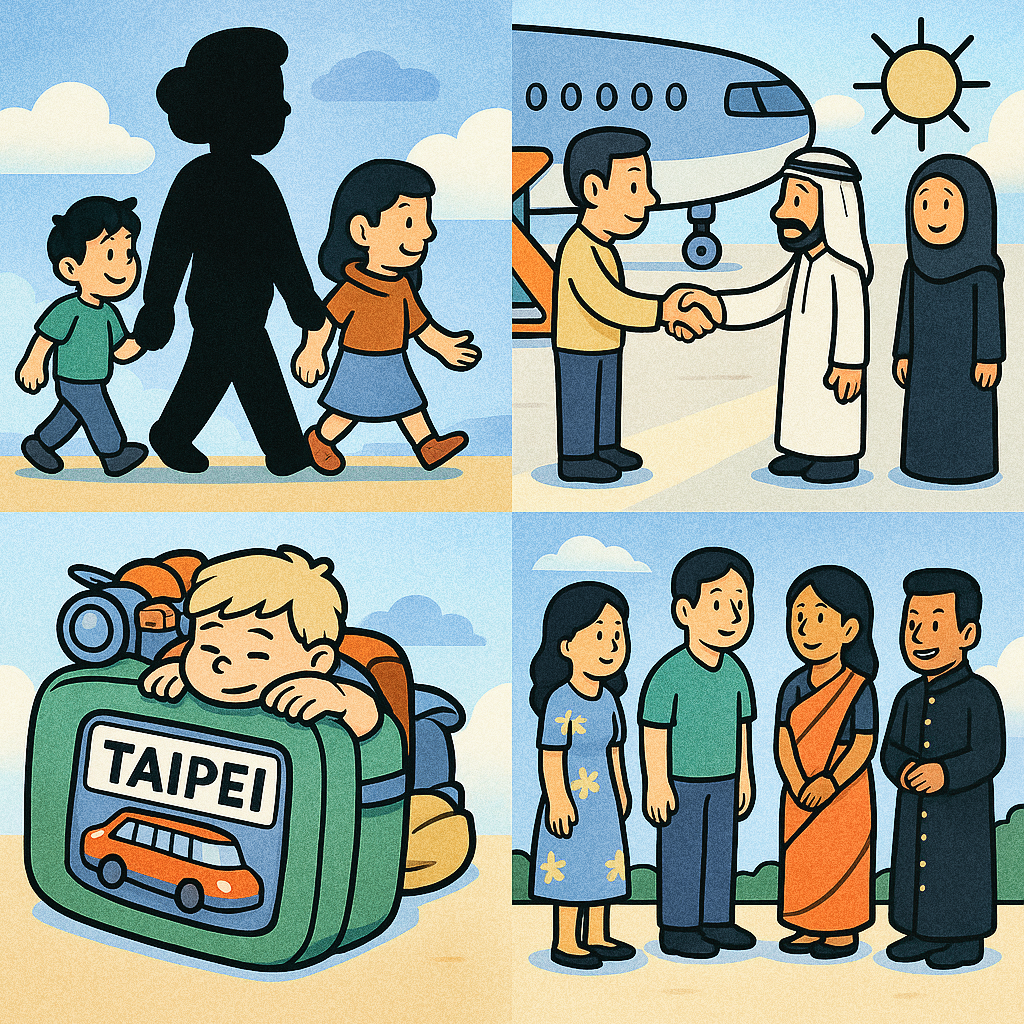
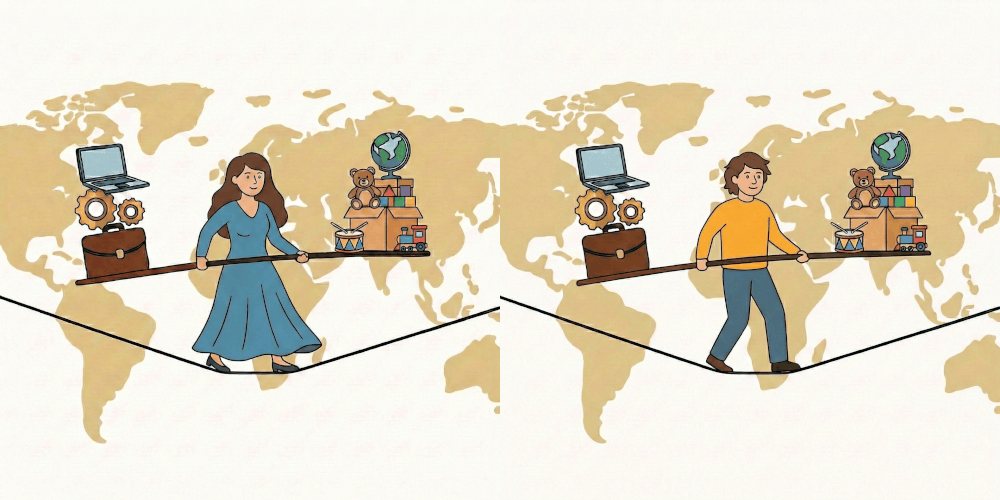
- Expatriate assignments are increasingly common, but the unique challenges of diplomatic spouses are understudied. Diplomats are considered “propatriates” as their careers involve frequent relocations.
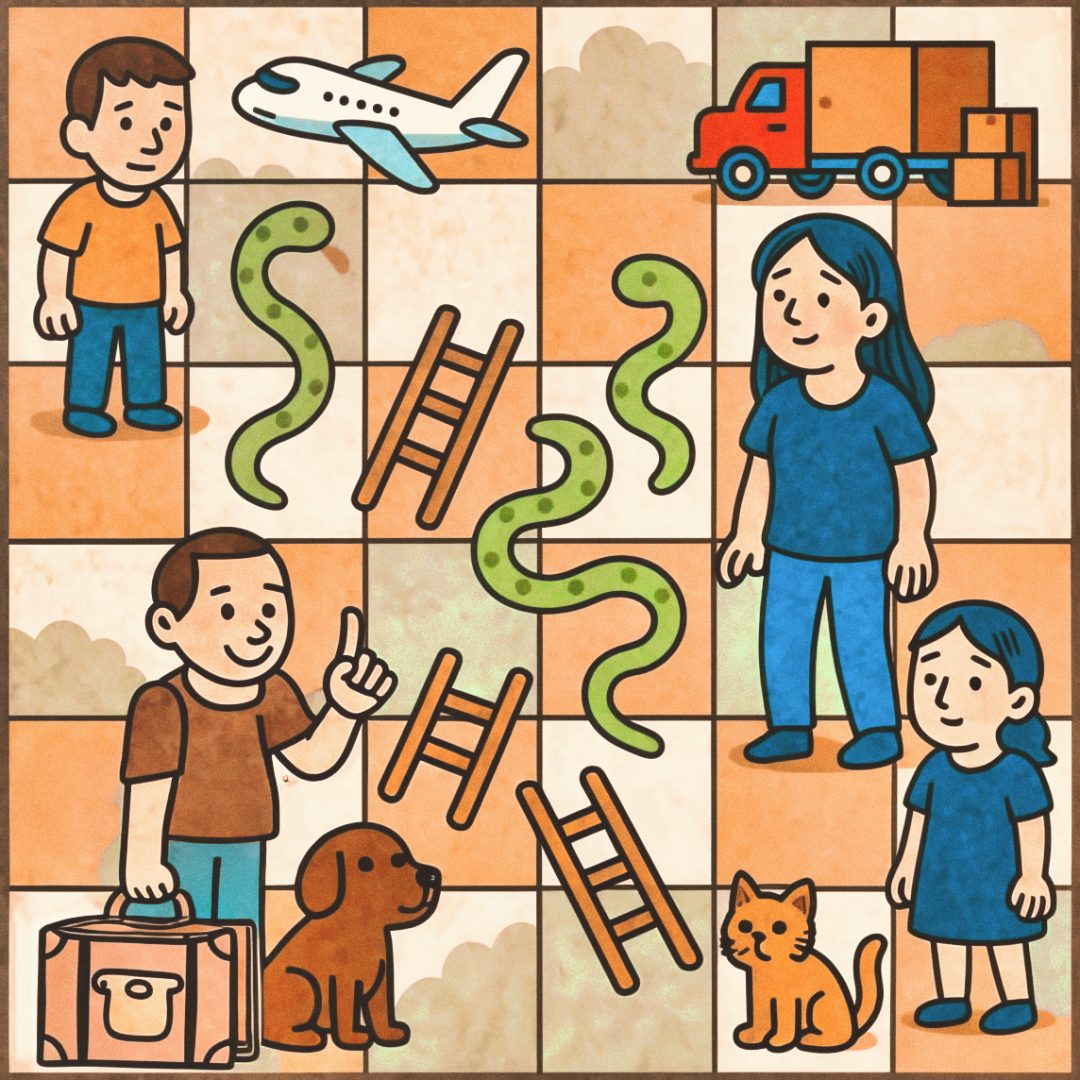
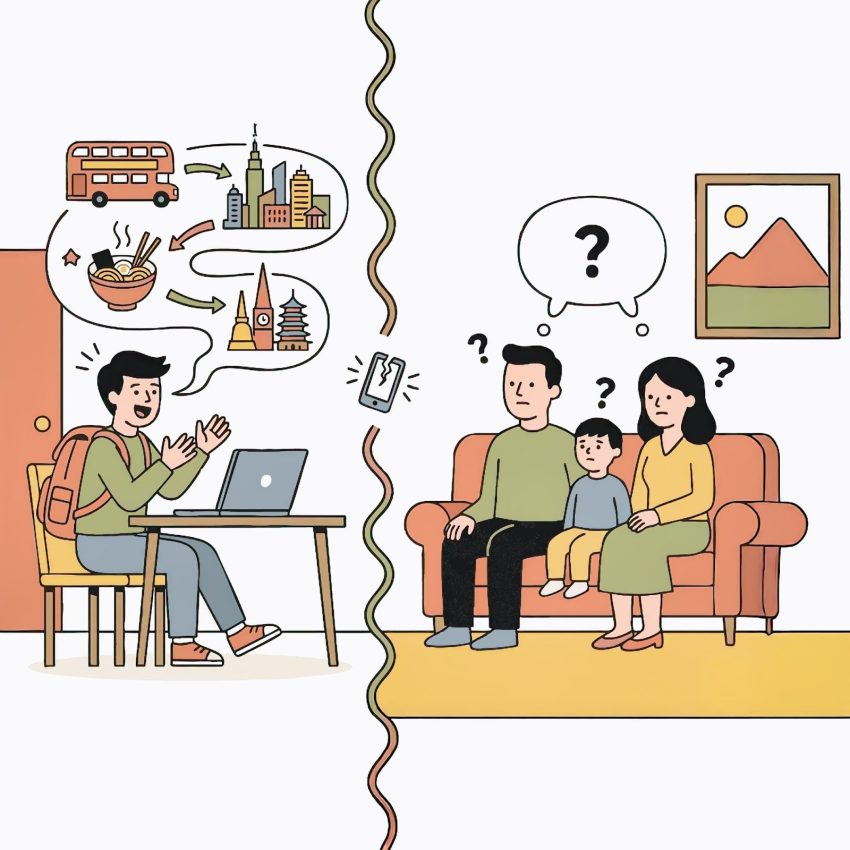
- Diplomatic spouses face unique stressors, including frequent moves, loss of social support, and career disruption.
- Spouse adjustment is a critical factor in the success of international assignments.
- This study explores the relationship between adjustment, social support, and life satisfaction for diplomatic spouses from EU and EEA countries.
Theoretical Background:
- Cross-Cultural Adjustment: Spousal adjustment is crucial for assignment success. Factors such as social networks and career continuation influence adjustment.
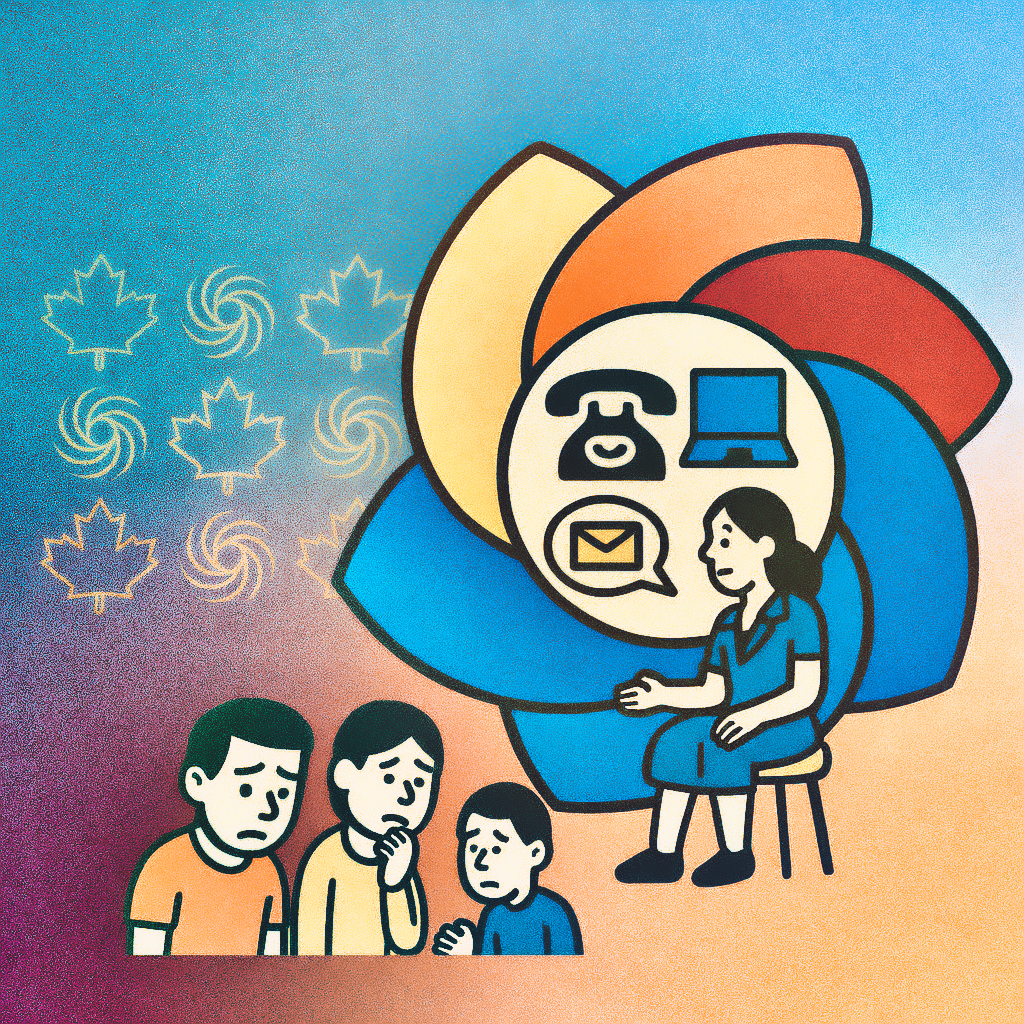
- Social Support: Social support includes both emotional support (love, care, belonging) and instrumental support (financial help, advice).
- Satisfaction with Life: Life satisfaction is a global assessment of one’s quality of life. Relationships and social connectedness are important aspects of satisfaction.
- Spouses often experience social isolation and emotional dependency, which can affect their well-being and the success of the assignment.
Hypotheses:
- A positive relationship exists between adjustment and (a) emotional support and (b) instrumental support.
- A positive relationship exists between adjustment and satisfaction with life.
- A positive relationship exists between (a) emotional support and (b) instrumental support and satisfaction with life.
Methodology:
- A quantitative study using data collected from 268 diplomatic spouses in EUFASA member states.
- Instruments included scales measuring spousal adjustment (Black and Stephens, 1989), social support (Ong and Ward, 2005), and satisfaction with life (Diener et al., 1985).
- Data were analyzed using principal component analysis (PCA), correlation analyses, hierarchical multiple regression, and structural equation modeling (SEM).
Results:
- There is a positive relationship between adjustment and both emotional and instrumental support.
- There is a positive relationship between adjustment and satisfaction with life.
- There is a positive relationship between both emotional and instrumental support and satisfaction with life.
- Adjustment and emotional support significantly predict satisfaction with life, explaining nearly 50% of its variance.
- Age and gender had little to no effect on satisfaction with life in this sample.
Discussion:
- The study confirms the positive impact of social support on adjustment, which is consistent with previous research.
- Adjustment, particularly in areas of housing, shopping, and entertainment, greatly influences satisfaction with life.
- The findings highlight the importance of employer spousal support to reduce assignment withdrawal and increase spouse willingness to accept long-term global assignments.
Practical Implications:
- Foreign Ministries should focus on providing comprehensive social support networks for spouses, both emotional and instrumental.
- Training programs should be offered prior to and after arrival to address adjustment challenges and provide realistic expectations for spouses.
- HRM should aim to establish support networks and opportunities for spouses to join formal and informal groups.
Limitations:
- Method bias due to self-report questionnaires.
- Language limitations as the survey was only in English.
- Uncontrolled geographic locations.
- The study’s cross-sectional design does not allow for longitudinal analysis of adjustment.
Conclusion:
This study underscores the crucial role of social support and adjustment in the life satisfaction of diplomatic spouses. By understanding these relationships, Foreign Ministries can develop targeted programs and policies to enhance spousal well-being, which will ultimately contribute to the success of international assignments. The findings call for a holistic approach to expatriate management that acknowledges the significant contributions and needs of diplomatic spouses, and should be mindful of gender differences and systemic barriers.
Full Study Reference:
Gudmundsdottir, S., Gudlaugsson, T.O., & Adalsteinsson, G.D. (2019). The diplomatic spouse: Relationships between adjustment, social support and satisfaction with life. Journal of Global Mobility: The Home of Expatriate Management Research, 7(1), 103-122. https://doi.org/10.1108/JGM-09-2018-0043