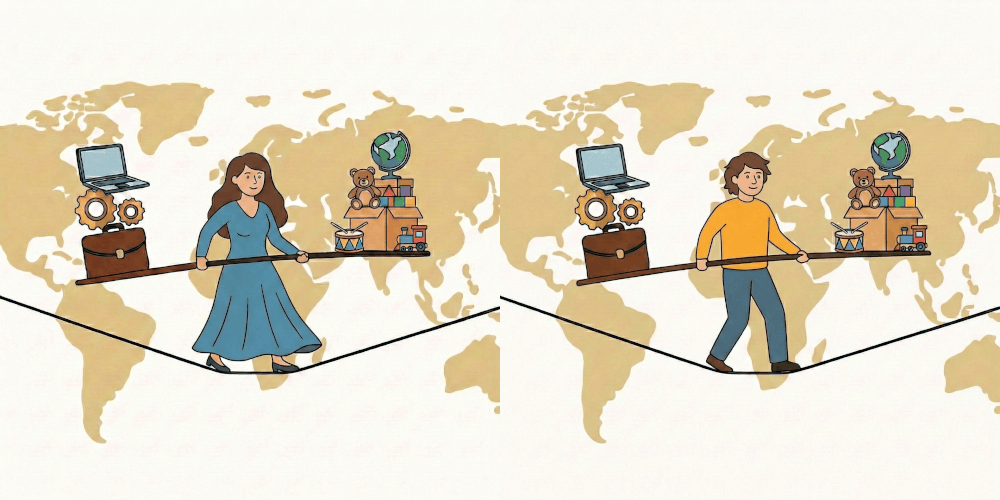
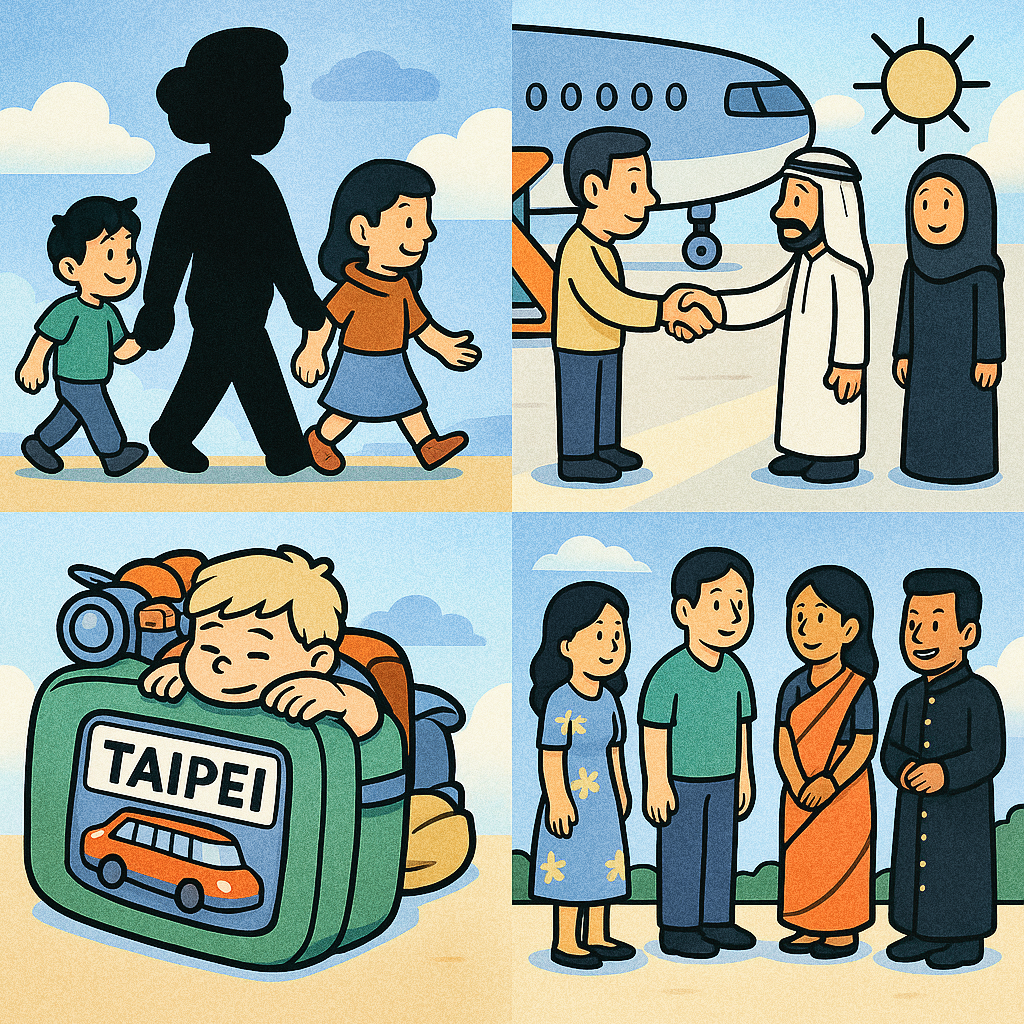
“Living Abroad: What Every Expat Needs to Know.” by Dr. Cathy Tsang-Feign is a comprehensive, empathetic guide to the psychological and relational realities of expatriate life. Drawing on decades of experience as a psychologist working with international families, Dr. Tsang-Feign explores the emotional, relational, and practical challenges faced by those living abroad—especially diplomatic families.
Ever Wondered…
- Is “culture shock” more than just unfamiliar food and customs? What if it’s a deeper, longer journey of finding your footing, again and again?
- How does the unique pressure-cooker of expatriate life, with its “identity inflation” and frequent separations, really impact your couple?
- Are you raising “Third Culture Kids”? This book delves into their unique world, exploring how to nurture resilient children who may feel like citizens of everywhere and nowhere, and how to handle the earlier-than-expected “empty nest” when they head off from afar.
- Behind the official functions and fascinating experiences, does a “silent plague” of loneliness sometimes creep in?
- And the big one: when it’s time to “go home,” will it truly feel like home? Or is “reverse culture shock” about to become your most unexpected challenge?
The book acts as a “psychological compass” for expats, shining a light on often-overlooked issues such as culture shock, shifting identities, marital strain, raising children across cultures, and the complexities of returning home. With relatable case studies and actionable advice, Tsang-Feign helps readers recognize patterns, build resilience, and strengthen family and marital bonds.
What’s great is how easy it is to dive into. The chapters are short, sharp, and straight to the point, perfect for busy people. Whether you’re prepping for your first posting or you’ve lost count of how many times you’ve relocated, you can flip to exactly what you need, when you need it.
Culture Shock & Acculturation
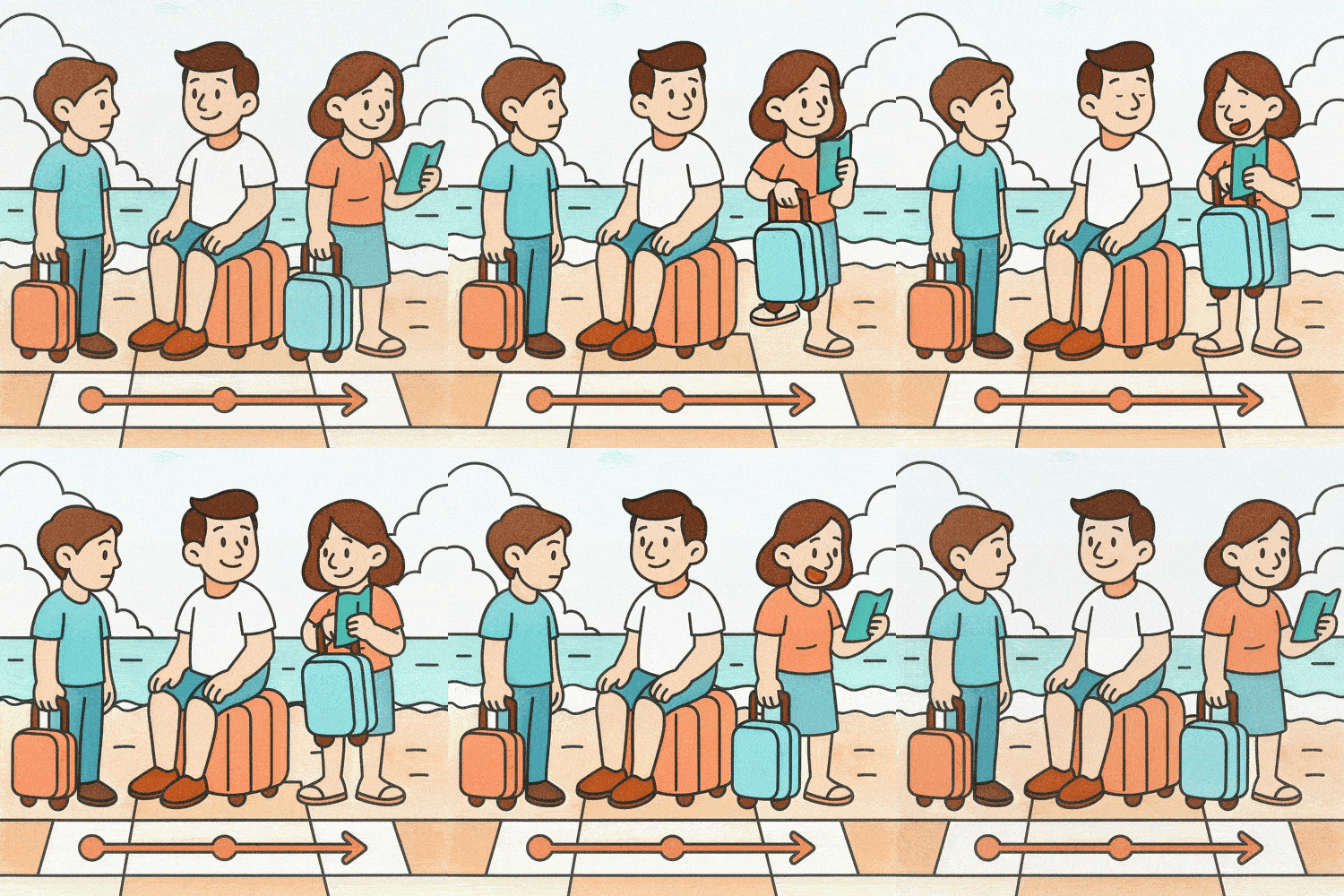
Expatriates typically experience a series of predictable stages during their adjustment to a new country. Initially, there is a period of elation, marked by excitement and optimism about the new environment.
This is often followed by resistance, where frustration and homesickness can arise as cultural differences become more noticeable. Over time, many begin to experience transformation, gradually accepting and appreciating the host culture.
Eventually, some reach a stage of integration, where they find a sense of balance between their own culture and the new one.
However, not everyone progresses smoothly through these stages; getting “stuck” at any point can cause ongoing stress and family tension. Therefore, open communication and patience—especially since each family member may adjust at a different pace—are essential for a healthy transition.
Transient Family Syndrome
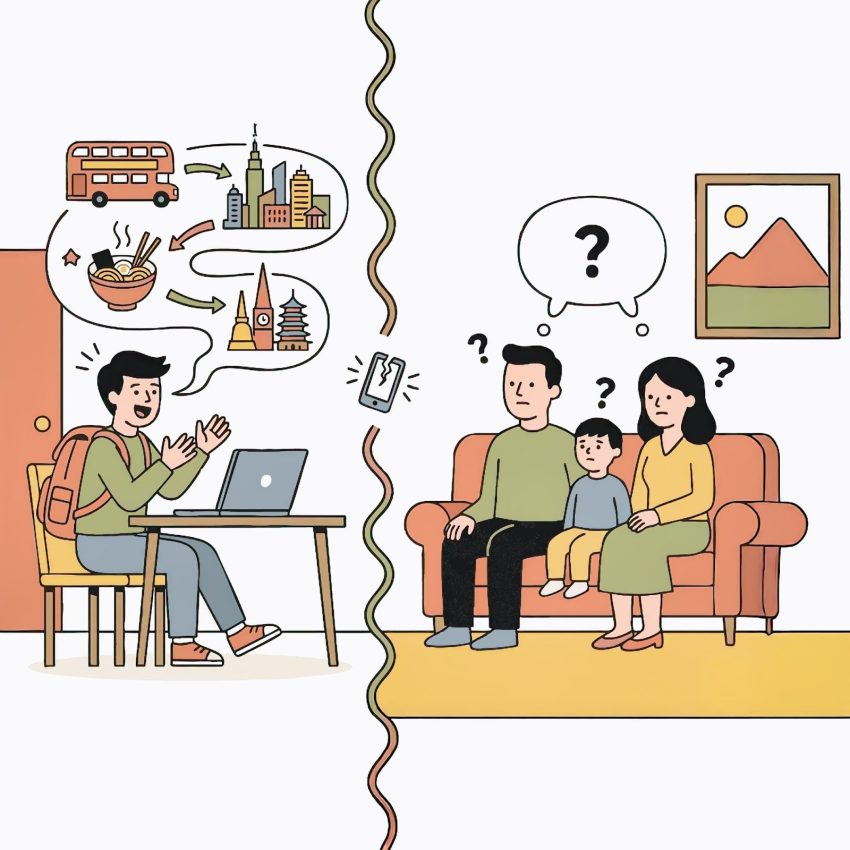
Frequent moves, especially for diplomats or global professionals, make it hard to form lasting relationships. This can result in emotional isolation or over-dependence within the family unit—what Tsang-Feign calls “Transient Family Syndrome.” Solutions include intentionally building friendships and using technology to maintain connections with loved ones back home.
Visitors Are Stressful
Living abroad often means hosting visiting friends or family, who usually expect accommodation. While reunions can be joyful, long visits can become stressful. Hosting involves exhausting prep—cleaning, shopping, organizing outings, and adjusting work schedules. Once guests arrive, hosts must guide them through local culture, shopping, and transportation, all while ensuring they’re entertained.
Even sightseeing can become tedious when repeated often. Taking guests to the same overpriced restaurants or crowded landmarks can turn joy into obligation. When the visitors are parents, the pressure increases. Children abroad become the guides, caretakers, and cultural translators, effectively reversing roles. Hosting loved ones may be rewarding—but it’s still hard work.
Marriage Under Pressure
Expatriate life magnifies relationship dynamics. Common challenges include:
- Identity Inflation: The working partner, often the breadwinner, may feel an inflated sense of importance, while the accompanying spouse feels lost or unfulfilled.
- Communication Gaps: Differing daily experiences and stresses can create misunderstandings.
The book underscores the need for open dialogue, shared activities, and seeking professional help when needed. It warns against blaming the overseas posting alone for marital strain, urging couples to examine underlying relationship patterns.
The “Romantic Illusion”
Routines disrupted, support systems lost, and new systems to navigate. When expectations collide with daily challenges, disappointment and tension can arise. Awareness and honest conversations can help couples and families adapt together.
Work pressures, frequent travel, and the demands of high-responsibility roles (especially in diplomatic life) can spill into home life. Unresolved work stress, burnout, or lack of quality time together can weaken even strong marriages. Setting boundaries, prioritizing couple time, and addressing stress openly are key recommendations.
Parenting Third Culture Kids (TCKs)
Children raised abroad develop unique strengths—adaptability, global awareness—but often struggle with identity, rootlessness, and maintaining deep friendships. The book discusses the impact of frequent moves, boarding school decisions, and even attachment to household help. Parents are encouraged to support cultural integration while preserving a sense of heritage and stability at home.
Separation, Loss, and Loneliness
Constant goodbyes—to friends, schools, colleagues—are a reality for many expats. These recurring losses can bring grief, idealization of “home,” and even strain on the marital bond. The book also addresses the particular pain of major crises—like divorce or bereavement—while living far from traditional support systems.
Everyday Stressors and Crisis Points
Not all challenges are dramatic; small daily frustrations—like different coping styles, conflicting needs for social interaction, or even envy of other expats—can erode relationships over time. In mixed-culture marriages, cultural misunderstandings can mask deeper communication issues.
Seeking Professional Support
Recognizing when to seek help is vital. Tsang-Feign outlines how to find qualified mental health professionals overseas, even where services are unregulated. She suggests using consular offices, international schools, psychological societies, and trusted referrals.
Returning Home: Reverse Culture Shock
Repatriation is often surprisingly hard. Expats may experience a renewed sense of culture shock—feeling out of place in their own country. This adjustment, too, takes time and understanding, and is best navigated with the same self-awareness and open communication as the initial move abroad.
The book also includes a vital afterword on seeking professional psychological help while abroad, a crucial piece of information for any family navigating these waters.
Ready to feel more prepared and understood on your diplomatic journey? This book is a great place to start.
Here’s the book website to order a paper or e-book copy.
Cathy Tsang-Feign, PhD, is a psychologist specializing in expatriate and cross-cultural psychology, drawing on decades of experience supporting international executives, diplomats, and their families worldwide. She has practiced in Los Angeles, Atlanta, London, and Hong Kong, and serves as a consultant to multinational corporations. Dr. Tsang-Feign has also contributed as a psychological advice columnist for American in Britain and the South China Morning Post.